Taurine Was Supposed to Slow Aging — Here’s What a Bigger Study Found Instead
In June 2023, a Science paper reported that blood taurine falls more than 80% from youth to old age in mice, monkeys, and humans, and that restoring it in old mice raised their median lifespan by 10 to 12%. The anti-aging supplement world ran with it almost immediately. In June 2025, a larger NIH-led study tracking taurine across three human cohorts, aging monkeys, and aging mice found close to the opposite: in nearly every group, taurine held steady or rose with age. Here’s what both studies actually measured — and what still holds up for the molecule inside a plain 500-milligram capsule.
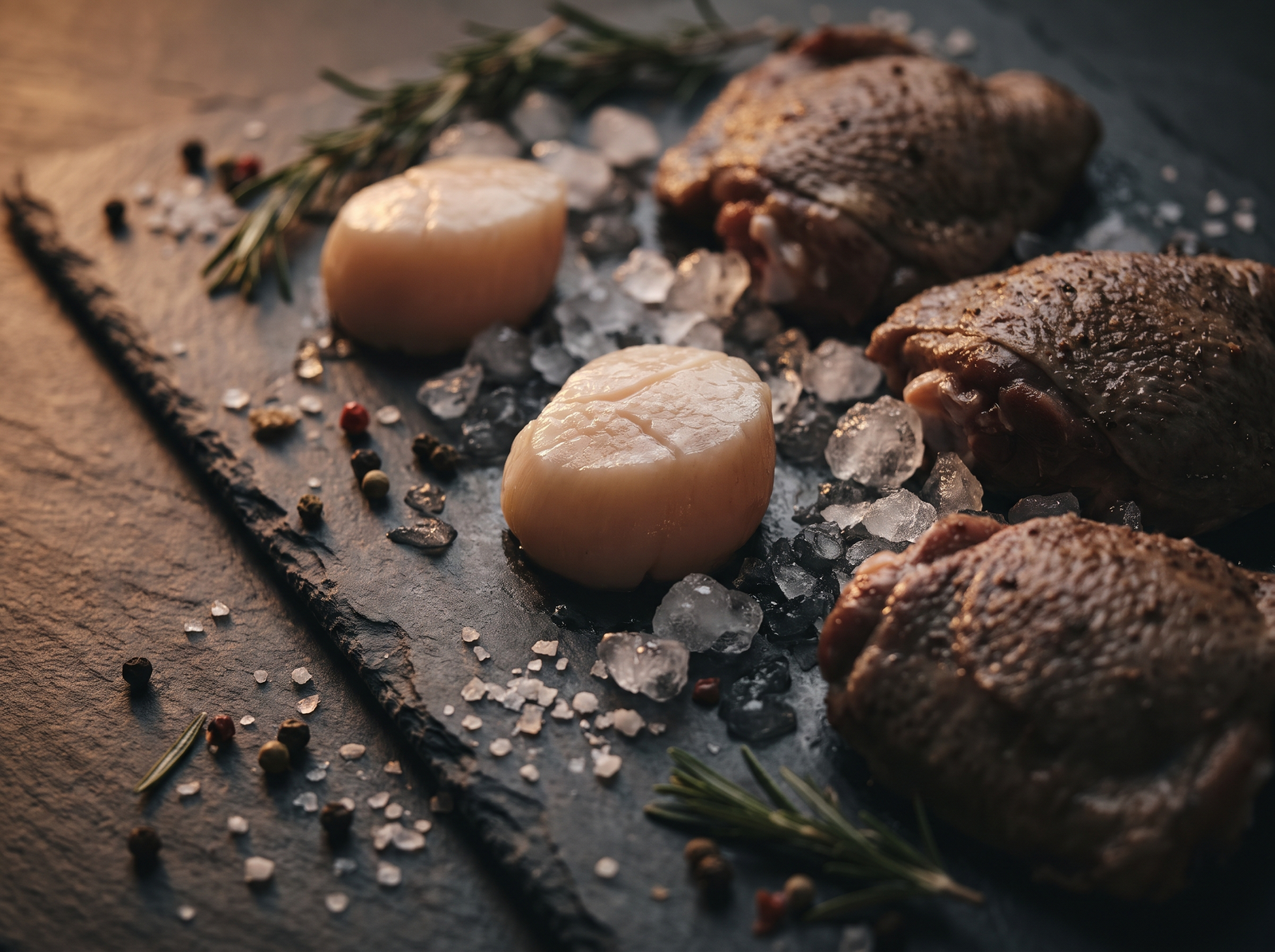
Taurine is the most abundant free amino acid in the human body, but it isn’t used to build proteins the way most amino acids are — it floats free in high concentration inside the heart, brain, retina, white blood cells, and skeletal muscle, the tissues with the heaviest energy demands. It regulates how much water and which ions move in and out of a cell, helps stabilize protein synthesis inside mitochondria, and gets conjugated onto bile acids so the liver can package them for fat digestion. The body makes some of its own supply from cysteine, which is why taurine is called “conditionally essential” rather than essential outright — but that internal production isn’t the only source most people rely on. Meaningful dietary taurine comes almost exclusively from animal foods: shellfish, dark-meat poultry, fish, and dairy. Plant foods carry essentially none.
The 2023 paper, led by researchers publishing through Columbia University’s Vijay Yadav lab, measured taurine across species and found a consistent decline with age: elderly humans studied had taurine levels more than 80% lower than younger people, 15-year-old monkeys ran about 85% lower than 5-year-olds, and mice fell from roughly 132 to 40 nanograms per milliliter between 4 and 56 weeks old. Mice given oral taurine (1,000 mg per kilogram of body weight daily, starting at 14 months) lived an estimated 10 to 12% longer at the median, and had about 18 to 25% more life expectancy remaining at 28 months, alongside better muscle strength, bone density, glucose tolerance, and memory. Roundworms given taurine lived 10 to 23% longer. The authors were explicit that this wasn’t proof for humans: they wrote that “long-term, well-controlled taurine supplementation trials” in people were still required before anyone could say the same thing about us.
That caveat didn’t slow the marketing. By 2025, a research team led by the National Institute on Aging — including Rafael de Cabo, Maria Fernandez, and Luigi Ferrucci — ran a far larger check on the premise itself: does taurine actually decline with human age? They pulled longitudinal data from the Baltimore Longitudinal Study of Aging (ages 26 to 100), cross-sectional data from a Balearic Islands aging cohort and an Atlanta research cohort, and matching data from aging rhesus monkeys and mice. The result: taurine concentrations rose or stayed flat with age in essentially every group studied, the opposite direction from the decline that launched the supplement boom, with only male mice showing no change either way. Their conclusion was blunt — taurine is “unlikely to serve as a good biomarker for the aging process,” and whatever benefit it has is “more likely context-specific rather than universal.”
Who Taurine Research Actually Supports
The clearest case for supplementing is dietary, not biological-clock-related: strict vegans and vegetarians get essentially none of the taurine omnivores pick up from shellfish, dark poultry meat, and fish, and tend to run measurably lower blood levels as a result. Endurance athletes are a second group worth a look — the 2023 paper itself noted that a single bout of exercise raises circulating taurine metabolites, meaning the body visibly leans on its taurine pool during hard training.
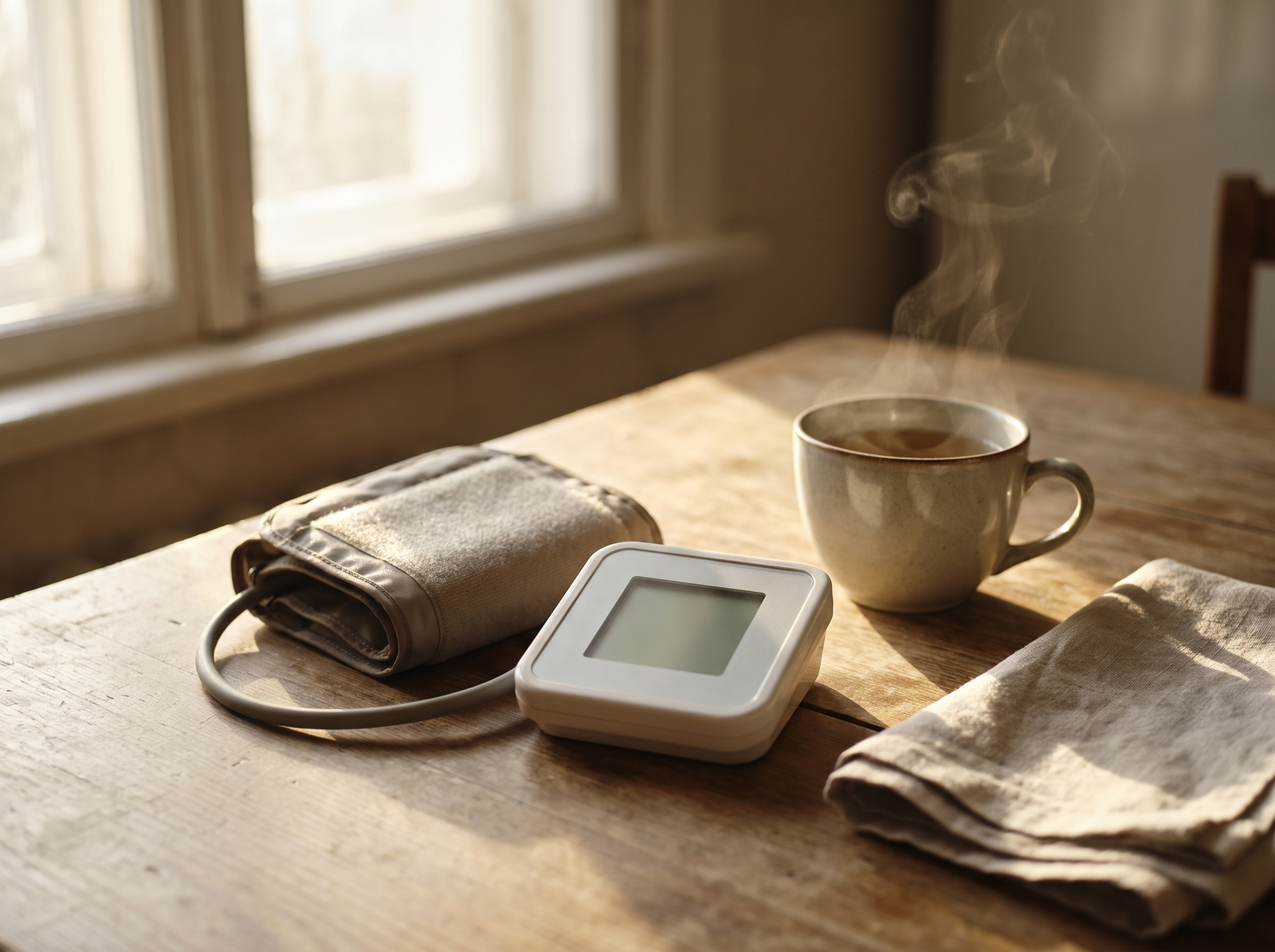
Beyond diet and exercise, the uses with actual repeated human-trial support are narrower than the anti-aging headlines suggested: modestly lower blood pressure in people with prehypertension or hypertension, a small improvement in time-to-exhaustion during endurance exercise, and exploratory use alongside standard treatment for heart failure, which should only happen under a cardiologist’s direction. Nobody has run a trial showing that a healthy, taurine-sufficient adult slows their own biological aging by taking a supplement — that’s precisely the gap the 2025 study just widened rather than closed.
What the Research-Backed Doses Actually Look Like
Across the human trials that exist, doses have ranged from about 1 to 6 grams of taurine a day. The most-studied protocol for blood pressure splits that into three 500-milligram doses spaced through the day, typically adding up to 1.5 grams. Exercise trials have generally used a single 1-to-6-gram dose taken 60 to 120 minutes before activity rather than a daily standing habit, since the time-to-exhaustion benefit observed in untrained adults and older adults with heart failure doesn’t appear to require weeks of loading first.
Safety data has been reassuring everywhere researchers have looked: no serious adverse effects have turned up across the available trials, and existing evidence suggests up to 3 grams a day can be taken indefinitely without issue. The single highest dose tested in a human trial ran 10 grams daily for six months without a clear safety signal. A capsule dosed at 500 milligrams divides cleanly into that evidence base — one capsule two or three times daily lands at 1,000 to 1,500 milligrams, sitting almost exactly on the blood-pressure protocol most of this research is built around.
Taurine for Anti-Aging vs. Taurine for What’s Actually Proven
Taking taurine because it “reverses aging” rests on one 2023 paper whose own authors said human trials were still needed to confirm the idea — and the first large attempt to confirm even the starting premise, that taurine falls with human age, didn’t hold up. Taking the same capsule because your diet is light on shellfish and dark poultry meat, because you want the modest, repeatedly-measured blood-pressure effect, or because you’re an endurance athlete leaning on your taurine pool during training rests on an entirely different, much sturdier pile of evidence. Same bottle, same 500 milligrams — a completely different confidence level depending on which claim brought you to it.
What to Look for in a Taurine Product
Taurine is one of the cheapest, least glamorous amino acids on a supplement shelf, which is exactly where corners tend to get cut.
- Third-party or facility-audited purity testing. This is where generic bulk-powder taurine brands fail most often — plenty publish no independent purity or heavy-metal data at all, relying only on a supplier’s say-so.
- A capsule with a clearly stated milligram dose, not a loose-scoop tub. Hitting a specific gram target, like the 1.5-gram blood-pressure protocol, is hard to do accurately with a kitchen scoop and a lot easier with a labeled capsule.
- No stimulant or “energy blend” bundling. Taurine sold near the energy-drink aisle is frequently stacked with caffeine or guarana, which muddies whether any effect is coming from the taurine at all — and works directly against anyone trying to use it for its blood-pressure-lowering effect.
- Manufacturing in an audited, GMP-certified facility. Even for a plain, single-ingredient amino acid, facility-level testing for identity and contamination is a baseline a surprising number of store-brand powders skip.
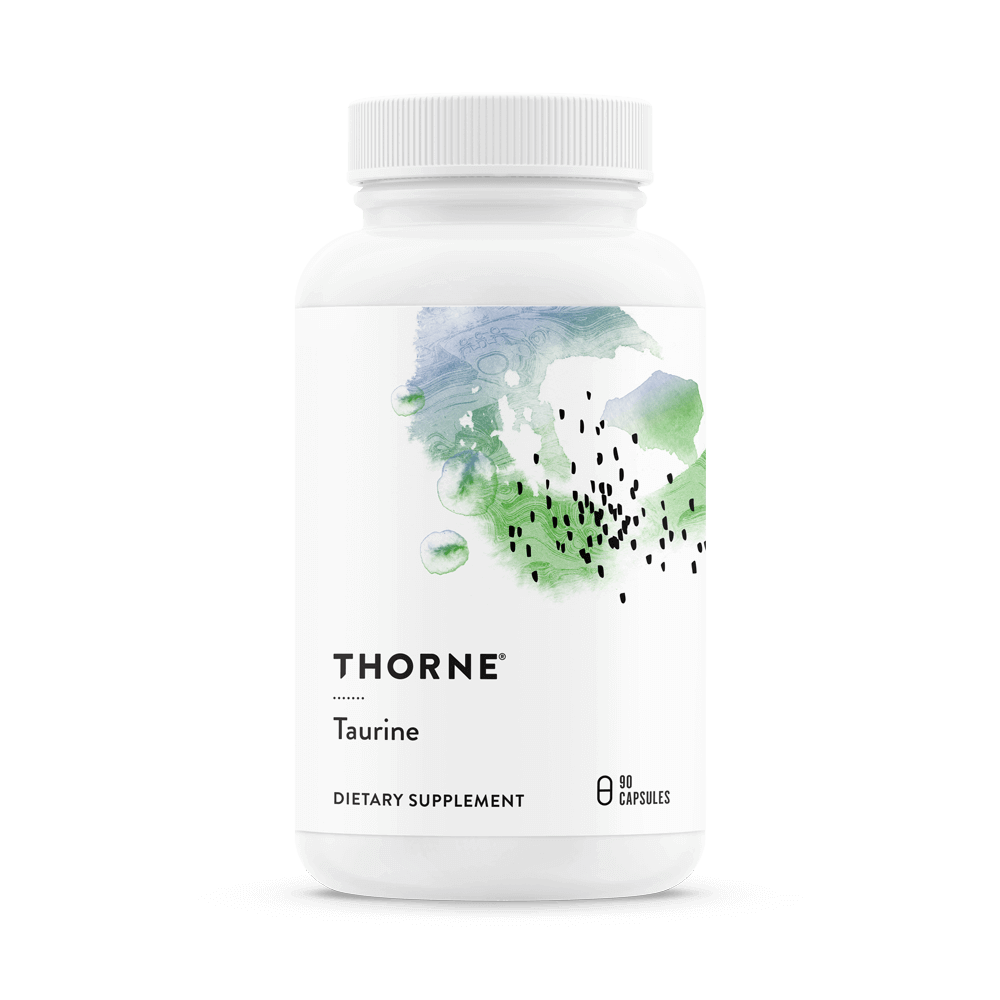
Thorne’s Taurine passes on all four counts: the capsule contains taurine plus a hypromellose shell and a trace of silica and nothing else, the 500-milligram-per-capsule math divides cleanly into every protocol above, and it’s manufactured in Thorne’s NSF-certified Summerville, South Carolina facility under four rounds of in-house testing (raw material, in-process, finished product, and stability). It’s docked here only because this specific product doesn’t carry NSF’s separate, sport-specific “Certified for Sport” banned-substance stamp — a mark Thorne reserves for roughly 20 of its other products — and because no independently published, product-specific heavy-metal datasheet is available for this particular run.
A clean, well-dosed, two-ingredient taurine capsule from a trusted manufacturer — genuinely useful for its narrower, trial-backed uses, not the anti-aging claim that made the category famous.
FAQs
Does taurine actually reverse or slow aging?
The honest answer right now is no, not based on human evidence. A 2023 study found taurine falls with age in mice, monkeys, and humans and extended mouse lifespan when supplemented, but a larger 2025 NIH-led study found taurine actually rises or stays stable with age in most of the same species, including humans. The authors of that follow-up called taurine an unreliable aging biomarker and said any benefit is likely situational rather than universal.
Is taurine safe to take every day, and what’s a safe dose?
Across the human trials conducted so far, no serious adverse effects have been reported, and available evidence supports taking up to 3 grams a day indefinitely. The highest dose tested in a trial was 10 grams a day for six months. Most protocols studied land between 1 and 3 grams daily, split into two or three doses.
Do vegetarians and vegans need to supplement taurine?
They’re the group most likely to be running low. Meaningful dietary taurine comes almost entirely from shellfish, dark-meat poultry, fish, and dairy, so a diet without those foods supplies very little, even though the body can make some of its own from cysteine. If you eat little or no animal protein, this is a reasonable one to discuss with your doctor.
Is the taurine in a capsule like this the same as the taurine in energy drinks?
Chemically, yes — it’s the same amino acid. The difference is what it’s bundled with. Energy drinks typically pair taurine with caffeine, sugar or sweeteners, and other stimulants, which makes it impossible to isolate taurine’s own effect and can push your total caffeine intake higher than you’d plan for. A plain capsule lets you dose taurine on its own.
If you’re a strict vegan or vegetarian, a dedicated endurance athlete, or someone managing borderline blood pressure with your doctor’s input, a well-dosed taurine capsule is a reasonable, low-risk addition. If you’re buying it hoping to slow aging itself based on a 2023 headline, the research has moved in the other direction since then — it’s worth adjusting expectations rather than the dose.
As an Amazon Associate, The Health Verdict earns from qualifying purchases. This article is educational and is not medical advice — talk to your doctor before starting any new supplement, especially taurine if you already take blood pressure medication, since the effects can compound.