1,000mg vs. 300mg Sodium: What Actually Decides Which Electrolyte Mix You Need
One packet is built for someone who just finished ninety minutes of trail running in July heat. The other is built for someone who forgot to drink water at their desk. The label rarely tells you which one you are — so most people just buy whichever has the better marketing.
Electrolytes are the charged minerals — sodium, potassium, magnesium, chloride — that carry the electrical signal every nerve fires and every muscle contracts with. Water alone doesn’t do that job. When you sweat, you lose both water and sodium together; replace only the water and you dilute whatever sodium is left in your blood, which is close to the opposite of what a depleted, cramping, headachy body actually needs.
The part almost no electrolyte label mentions: how much sodium any one person loses in sweat varies by roughly tenfold between individuals. A sweat-testing database built from more than 30,000 individual tests puts the range at around 200mg to over 2,300mg of sodium per liter of sweat, with a database average near 950mg/L — and the main driver of that spread isn’t fitness level or how hard someone trains, it’s genetics, specifically how efficiently the sweat duct reabsorbs sodium before sweat reaches the skin.
That tenfold spread is the reason a single “correct” electrolyte dose doesn’t exist across products. A 1,000mg-sodium packet is a rounding error for a heavy, salty sweater doing two hours of hot-weather training. The same packet, taken daily by someone who sweats lightly and already eats a typical processed-food diet, is just extra sodium that was never lost in the first place.
Who Actually Needs an Electrolyte Supplement
The clearest candidates are long-duration or heat-exposed exercisers — generally anything past 60 to 90 minutes of sustained sweating — along with people cutting carbohydrates sharply (keto, low-carb, intermittent fasting), who lose extra sodium through a well-documented mechanism called natriuresis: lower insulin signals the kidneys to excrete more sodium, which accounts for a large part of why the first week or two of a low-carb diet often comes with headaches and fatigue, popularly called “keto flu.”
Outside those groups, most adults don’t need to add sodium on top of their diet. The current Dietary Guidelines for Americans set 2,300mg/day as the general upper limit, and the average American adult already eats closer to 3,400mg/day from processed and restaurant food, before any electrolyte packet enters the picture. For someone in that position, a daily 1,000mg-sodium supplement isn’t hydration support — it’s simply more sodium on top of a diet that already has plenty.

How Much Sodium Is Actually in These Things
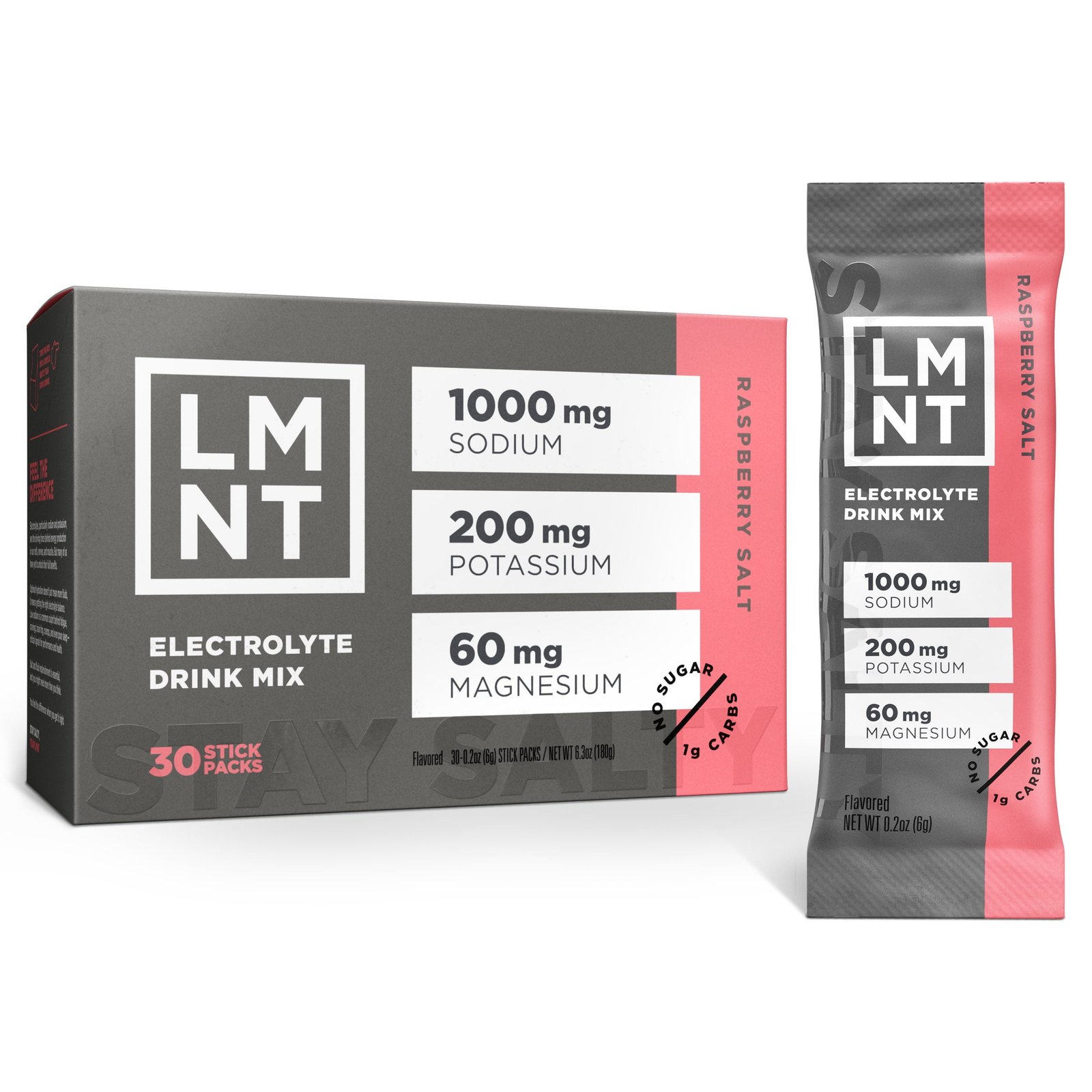
LMNT’s Raspberry Salt packets contain 1,000mg sodium, 200mg potassium, and 60mg magnesium per serving, with zero sugar and zero carbs — a formula explicitly built for people losing a lot of sodium through sweat or carbohydrate restriction. Nuun Sport tablets, by comparison, contain roughly 300mg sodium, 150mg potassium, and 25mg magnesium per tablet, with about 1g of added sugar — a noticeably lighter formula aimed at casual, everyday hydration rather than heavy sweat replacement.
Neither number is “wrong” on its own. The useful calculation is sweat rate in liters per hour multiplied by your sweat’s sodium concentration in mg/L, which gives sodium loss per hour — a figure that can range from under 200mg/hour for a light, low-sodium sweater to well over 2,000mg/hour for a heavy, salty one. A single LMNT packet roughly covers an hour of heavy sweating for someone on the high end of that range; the same packet, taken by a light sweater on a short walk, overshoots what was actually lost by a wide margin.

High-Sodium vs. Moderate-Sodium Formulas: What Changes
The real-world risk electrolyte marketing leans on is exercise-associated hyponatremia (EAH) — a drop in blood sodium from drinking more plain fluid than the kidneys can clear, which dilutes whatever sodium remains in circulation. One frequently cited figure puts EAH at roughly 13% of Boston Marathon finishers in a single studied year, most cases mild. But the international consensus statement on EAH concluded the fix isn’t maximizing sodium intake across the board — it’s drinking according to thirst rather than a fixed schedule, with sodium replacement scaled to actual losses during longer or hotter efforts. A high-sodium formula like LMNT is the right tool for that specific, sweat-heavy scenario; a moderate formula like Nuun fits everyday low-intensity hydration, where overdrinking plain water to the point of diluting blood sodium isn’t a realistic risk in the first place.
What to Look for in an Electrolyte Product
Most electrolyte products fall short on one of four points, roughly in order of how often it happens:
- Transparent milligram amounts, not a proprietary blend. Some budget mixes list a single “electrolyte blend” weight instead of sodium, potassium, and magnesium individually, which makes it impossible to check your own dose against your actual sweat loss.
- A sodium dose sized to an actual use case, not a flat “more is better” number. Given the roughly tenfold range in individual sweat sodium concentration, a single fixed dose is either too little for a heavy sweater or needless extra sodium for almost everyone else.
- Added sugar disclosed in grams, not folded into a vague “natural flavors” line. A gram or two per serving is minor on its own, but several servings a day adds up, and plenty of “hydration” drinks don’t make that number easy to find on the front of the label.
- A named third-party testing standard — NSF Certified for Sport, Informed Sport, or similar — rather than only an in-house “we test every batch” claim. This is the one most electrolyte brands, LMNT included, fall short on: LMNT publishes certificates of analysis and describes internal pathogen and heavy-metal testing, but doesn’t carry a named independent sport-testing certification the way some competing products do.
LMNT’s Raspberry Salt clears the first three points cleanly — exact milligrams per ingredient, a dose genuinely sized for heavy sweat loss, and zero added sugar — which is why it’s the pick here for the specific person it’s formulated for, even with the fourth point standing as an honest asterisk rather than a disqualifier.
A transparently-dosed, zero-sugar, high-sodium electrolyte mix built for heavy sweaters and low-carb dieters — genuinely useful for that specific audience, and genuinely unnecessary as a daily add-on for everyone else.
FAQs
Is 1,000mg of sodium in one packet safe to drink every day?
For a heavy sweater, or someone losing extra sodium through carbohydrate restriction, yes — it’s well within what the body needs during active sweat loss. For someone sedentary with normal blood pressure, a daily 1,000mg addition on top of an already sodium-replete diet isn’t dangerous as a single dose, but it isn’t necessary either, and anyone with hypertension or kidney disease should check with a doctor before making it a routine habit.
Can I just add table salt to water instead of buying an electrolyte supplement?
A pinch of salt in water supplies sodium and chloride, but nothing for potassium or magnesium, both of which sweat also removes. A commercial mix is really paying for those extra minerals and a repeatable, pre-measured dose — not for the sodium itself, which is inexpensive on its own.
Will an electrolyte mix actually help with “keto flu”?
Often, yes. The fatigue and headaches during the first one to two weeks of carbohydrate restriction are largely driven by increased sodium excretion (natriuresis) as insulin drops, so replacing that sodium — through a supplement or simply salting food more generously — is one of the more evidence-backed fixes for early low-carb symptoms.
What’s the actual difference between this and a sports drink like Gatorade?
Mainly sugar content and the sodium-to-carbohydrate ratio. A standard 20-ounce sports drink carries around 270mg sodium and roughly 34g of sugar, sized for carbohydrate delivery during long exercise rather than sodium replacement. A zero-sugar electrolyte packet like LMNT inverts that balance: far more sodium, no sugar, aimed at mineral replacement rather than fuel.
If you’re sweating heavily for an hour or more — training in heat, doing endurance work, or in the first couple of weeks of a low-carb diet — a high-sodium mix like this is solving a real, measurable problem. If your sweating is light and your diet is already sodium-rich, the simpler and cheaper move is just drinking water and skipping the packet.
As an Amazon Associate, The Health Verdict earns from qualifying purchases. This article is educational and is not medical advice — talk to your doctor before starting any new supplement, especially if you have high blood pressure, kidney disease, or are on a sodium-restricted diet.