Creatine HCl Promises No Bloating and No Loading — Does the Science Back It Up?
Creatine has more research behind it than almost any supplement on the market — and it’s still getting rebranded as obsolete by a newer form promising a smaller dose, better solubility, and none of the bloating.
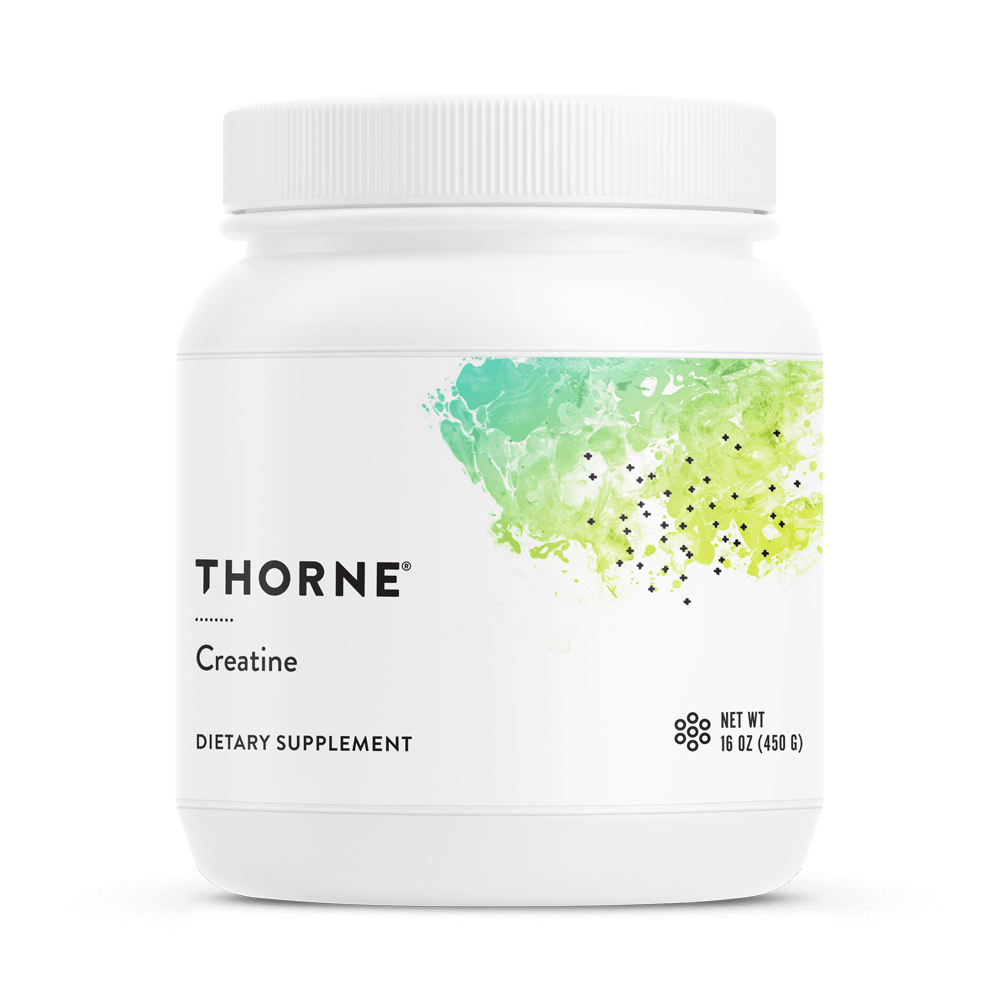
Creatine is arguably the single most studied ergogenic supplement in existence: three decades of clinical trials and a research base most supplement categories can only dream of. That hasn’t stopped a wave of “next-generation” creatine products — most notably creatine hydrochloride (HCl) — from marketing themselves as the upgrade nobody asked for but everybody apparently needs.
Here’s the mechanism worth understanding before any of that marketing matters. Muscle cells store a small reserve of phosphocreatine, which donates a phosphate group to rapidly regenerate ATP — the molecule your cells burn for energy — during short, explosive efforts: a heavy squat, a 40-yard sprint, a set of pull-ups to failure. Supplementing creatine raises that phosphocreatine reserve, which is why the benefit shows up almost entirely in short, high-intensity bursts rather than steady-state cardio.
Creatine monohydrate has been the standard form since the research began in earnest, and it remains the version behind essentially every major strength, power, and lean-mass finding in the literature. Creatine HCl entered later, riding one genuinely interesting data point — it’s roughly 41 times more soluble in water than monohydrate — that got stretched into a much bigger claim: better absorption, no bloating, no loading phase required. Solubility in a glass of water and uptake into muscle tissue turned out to be two different things.
Who actually needs it
Creatine’s benefit is concentrated in a specific kind of effort: repeated short bursts of near-maximal output. That makes it most useful for strength and power athletes, anyone doing sprint intervals, and older adults using resistance training to preserve muscle mass and function — a use case with a growing research base of its own. Vegetarians and vegans also tend to see a larger relative benefit, since dietary creatine comes almost entirely from meat and fish, so their baseline muscle stores start lower.
Pure endurance athletes with no sprint or power component in their training will likely notice less — the phosphocreatine system isn’t the limiting factor in a three-hour steady-state ride. And if you have any history of kidney disease, this is a supplement worth clearing with your doctor first, even though studies in healthy people at recommended doses haven’t found it harms kidney function.

How much creatine actually works
The maintenance dose that shows up across the research is 3–5 grams per day, taken indefinitely or in multi-week cycles — no need to time it around a workout specifically, since it works by raising a standing muscle reserve rather than acting like a pre-workout stimulant. A loading phase (roughly 20 grams per day, split into four doses, for 5–7 days) gets you to the same saturated phosphocreatine level faster — within about a week instead of three to four — but it’s optional. Skip it and you land in the same place, just more gradually.
Consistency matters more than timing. Take it daily, with a meal or plenty of water to minimize any stomach discomfort, and don’t expect to feel it the way you’d feel caffeine — the effect shows up as slightly more reps or slightly more power output over weeks, not as an immediate sensation. One interaction worth knowing: very high caffeine intake (over roughly 300 mg a day) has been associated with blunting some of creatine’s benefit in a few studies, worth keeping in mind if you’re stacking it with a heavy pre-workout.

Creatine monohydrate vs. HCl: what actually changes
The solubility difference is real — HCl dissolves in far less water — but tissue uptake doesn’t depend on how easily something dissolves in a glass; it depends on transport into the muscle cell, and that mechanism doesn’t especially care which salt form you started with. HCl’s lower recommended dose (often 1–2 grams versus monohydrate’s 3–5) mostly reflects that it’s a higher percentage of active creatine by weight, not that less total creatine is needed. The bloating monohydrate gets blamed for is largely a loading-phase water-retention effect; at a plain maintenance dose, with no loading, that difference mostly disappears regardless of which form you pick. And when studies match the two forms for equal total creatine content, they don’t find a consistent strength or muscle advantage for HCl — monohydrate still carries the deeper, longer, more independently replicated evidence base.
What to look for in a creatine product
A few concrete checks, in order of how often we see products fail them:
- The form is monohydrate. It’s the version with three decades of independent research behind it; newer forms haven’t shown a real advantage large enough to give up that evidence base.
- NSF Certified for Sport or Informed Sport batch testing. Creatine powders — especially flavored blends — turn up in banned-substance testing often enough that third-party certification matters, whether or not you’re a tested athlete.
- Micronized particle size. This doesn’t change how well your body absorbs it, but it changes how well it dissolves and how gritty it feels in water — a real factor in whether you actually take it every day.
- Single ingredient, dose clearly disclosed. Watch for “creatine blends” that pad the label with trendier, less-studied forms in small amounts instead of a full, disclosed dose of plain monohydrate.
Thorne’s Creatine is a plain, single-ingredient micronized monohydrate at a full 5-gram disclosed dose, NSF Certified for Sport — which is most of that checklist in one product.
A no-frills, third-party-certified creatine monohydrate at the dose the research actually supports — exactly what this category needs and nothing it doesn’t.
FAQs
Do I need to do a loading phase?
No — it’s optional. Loading (about 20g a day split into four doses for 5–7 days) saturates your muscle creatine stores faster, but 3–5g daily without loading gets you to the same saturated level in about three to four weeks. If you’re not in a hurry, skipping it is simpler and avoids most of the early water-retention bloat.
Will creatine make me gain water weight or look puffy?
Some, especially if you load. Creatine draws water into muscle cells, which can show up on the scale as a pound or two of water weight in the first couple of weeks. That’s intracellular water in muscle tissue, not the kind of bloating people usually mean, and it levels off at a plain maintenance dose.
Is creatine safe for my kidneys?
In healthy people, studies at recommended doses haven’t shown kidney harm, even over years of continuous use. If you have existing kidney disease or a family history of it, talk to your doctor before starting — that’s the one group where extra caution is genuinely warranted.
Can I take creatine with caffeine or a pre-workout?
Generally yes, but very high caffeine intake (upwards of 300mg a day) has shown up in a few studies as blunting some of creatine’s benefit. If you’re stacking it with a strong pre-workout, it’s worth noting rather than assuming the two simply add together.
If you’re already taking, or considering, a creatine HCl or “advanced” blend on the promise that it solves a problem plain monohydrate has, the research doesn’t back that trade — a cheap, third-party-tested monohydrate at 3–5g a day does the same job with three decades more evidence behind it. Anyone starting strength training, preserving muscle with age, or eating mostly plant-based is the clearest candidate to actually benefit.
As an Amazon Associate, The Health Verdict earns from qualifying purchases. This article is educational and is not medical advice — talk to your doctor before starting any new supplement, especially if you have kidney disease or a family history of it.