Chromium Picolinate vs. Chromium Polynicotinate: Why the Best-Absorbed Form Carries a Safety Question the Other Doesn’t
Chromium picolinate absorbs into your bloodstream better than almost any other form on the shelf. It’s also the one form researchers have had to study, in laboratory and animal experiments, for a question none of the other chromium compounds have had to answer in quite the same way.
Chromium is a trace mineral your body needs in genuinely tiny amounts — adults need somewhere around 25 to 35 micrograms a day, the kind of quantity a bowl of broccoli and a slice of whole-grain bread supplies without you ever thinking about it. The attention chromium gets as a supplement traces back to its role in glucose metabolism: the mineral doesn’t act like insulin itself, but it’s believed to help amplify insulin’s signal once it’s released, through a small chromium-binding molecule called chromodulin that appears to make insulin receptors more responsive at the cell surface.
That mechanism is still being worked out in detail decades after it was first proposed, partly because chromium is unusually hard to study — blood levels don’t track tissue stores well, so there’s no simple lab test that tells you whether you’re actually short on it. What researchers do agree on is that measurable, symptomatic chromium deficiency is rare in people eating a varied diet. It shows up mainly in specific medical situations, like long-term intravenous feeding without mineral supplementation, not in the general population browsing a supplement aisle.
That gap — between a mineral that’s genuinely essential in trace amounts and a supplement marketed as a blood-sugar and metabolism fix at doses ten to twenty times the basic daily requirement — is where the picolinate-versus-polynicotinate question actually matters. The chelating molecule a chromium compound is bound to changes both how much of it your gut absorbs and, it turns out, what questions researchers have had to ask about it in the lab.
Who actually needs this
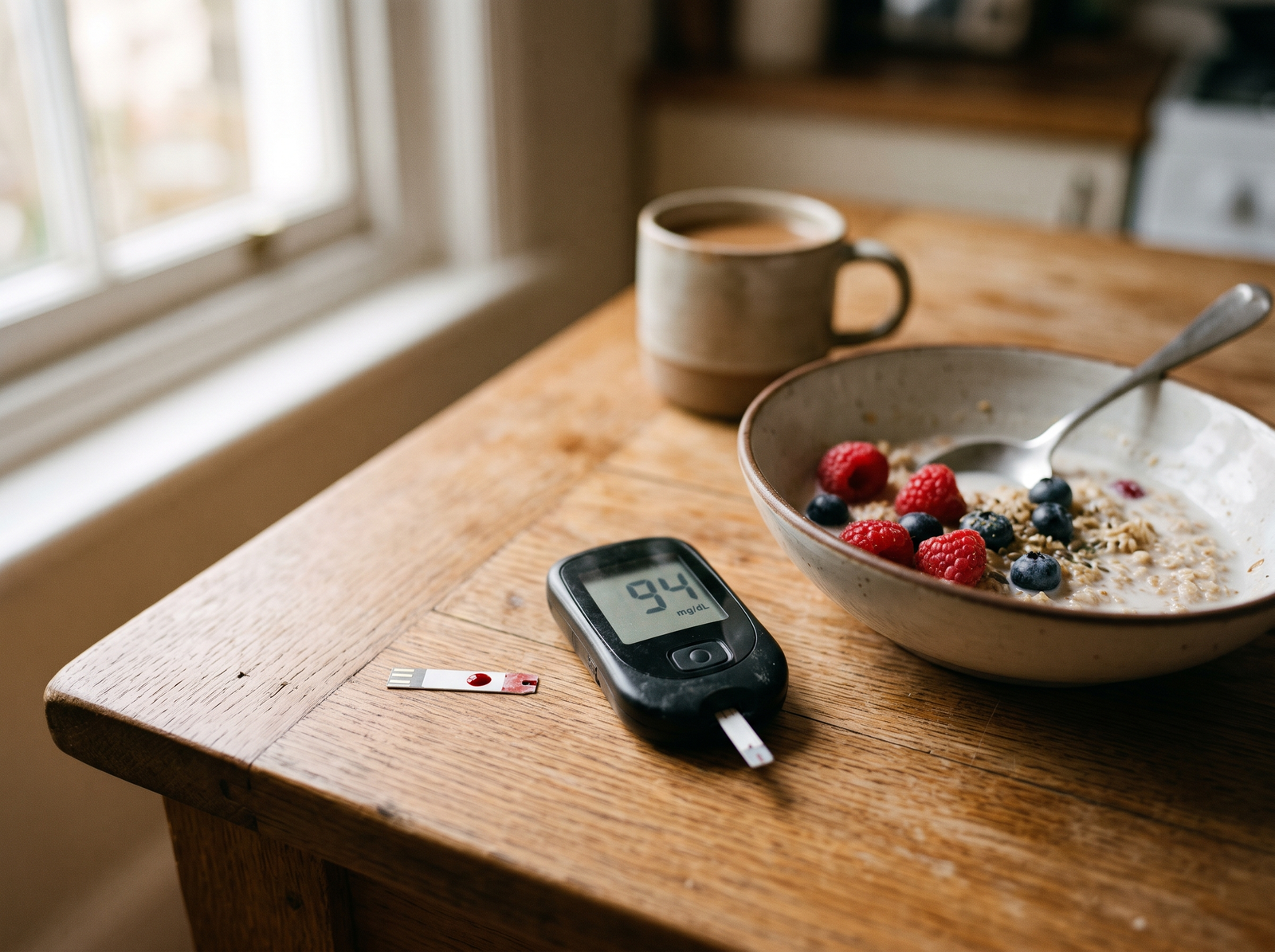
The clearest trial evidence for chromium supplementation benefiting blood sugar control comes from a specific population: people with type 2 diabetes whose blood sugar is poorly controlled, particularly those who may also be chromium-insufficient to begin with. In that group, controlled trials — including a frequently cited study in the journal Diabetes — found measurable improvements in glucose and insulin variables at doses of 200 to 1,000 micrograms a day of chromium picolinate.
In healthy people without a diagnosed glucose problem, the picture is far less convincing. Meta-analyses looking at chromium for weight loss and body composition in the general population have consistently found effects that are small, inconsistent across studies, and not reliably distinguishable from a placebo response — a very different story than how it’s often marketed on a supplement label.
The dose that shows up in research
Clinical trials testing chromium for glucose control have mostly used between 200 and 1,000 micrograms of elemental chromium a day, with many landing in the 200-to-600-microgram range — many times the 25-to-35-microgram adequate intake the National Academies set for ordinary dietary needs. That gap is deliberate: researchers testing a therapeutic effect use doses well above baseline nutrition, the same way a vitamin D trial for mood might use an amount far above what merely prevents rickets.
One label detail worth checking before you buy: some chromium products list the total weight of the chelated compound — chromium picolinate, chromium polynicotinate, chromium chloride — rather than the weight of elemental chromium itself, which is the number trials actually measured. A capsule advertising “1,000 mg chromium complex” is not providing 1,000 mcg of chromium. Read for the words “elemental chromium” or a chromium amount specifically, not just the compound’s total weight.
Chromium Picolinate vs. Chromium Polynicotinate: What Changes
Head-to-head human absorption studies have found chromium picolinate is typically absorbed better than chromium chloride, polynicotinate, or nicotinate forms — one frequently cited comparison found picolinate achieved roughly two to three times the blood chromium levels of the other compounds tested at an equal dose. But picolinate’s chelating partner, picolinic acid, is also behind a safety question none of the other forms have had to answer in quite the same way: laboratory studies on cultured hamster ovary cells found chromium picolinate caused chromosomal damage at concentrations well above what a capsule would ever produce in the body, and a 2008 National Toxicology Program study found “equivocal” — meaning ambiguous, not clearly positive — evidence of increased tumors in male rats given very high, chronic doses. Neither finding has been confirmed as a human health effect at typical supplemental doses, and most toxicology reviews describe the risk as theoretical rather than established. Chromium polynicotinate (sometimes sold as “GTF chromium” or under the trademark Chromemate) hasn’t drawn that same specific flag, but it’s also been studied far less overall, and the human absorption data that exists generally puts it behind picolinate — so “hasn’t been flagged” and “proven safer” aren’t quite the same claim.
What to look for in a chromium product
Because the efficacy evidence is genuinely modest and the form carries a laboratory safety footnote worth knowing about, a chromium supplement earns trust on specifics, not marketing claims. Four things worth checking before you buy:
- Elemental chromium stated explicitly. The label should state actual chromium content in micrograms, not just the total weight of the chelated compound — a distinction that’s easy for a label to blur in the brand’s favor.
- A dose inside the trial range. Look for 200 to 600 micrograms per serving, in line with what controlled trials actually tested, rather than multi-thousand-microgram “mega-dose” products with no comparable research behind the higher number.
- Independent testing for purity. Trace-mineral supplements have turned up contamination and potency issues in independent testing before; a product certified by NSF, USP, or a comparable third party has been checked against its label claim and for banned or contaminant substances.
- Realistic marketing claims. A product promising blood-sugar control or fat loss for anyone who takes it is overselling evidence that’s really concentrated in people who are chromium-insufficient or already managing impaired glucose tolerance.
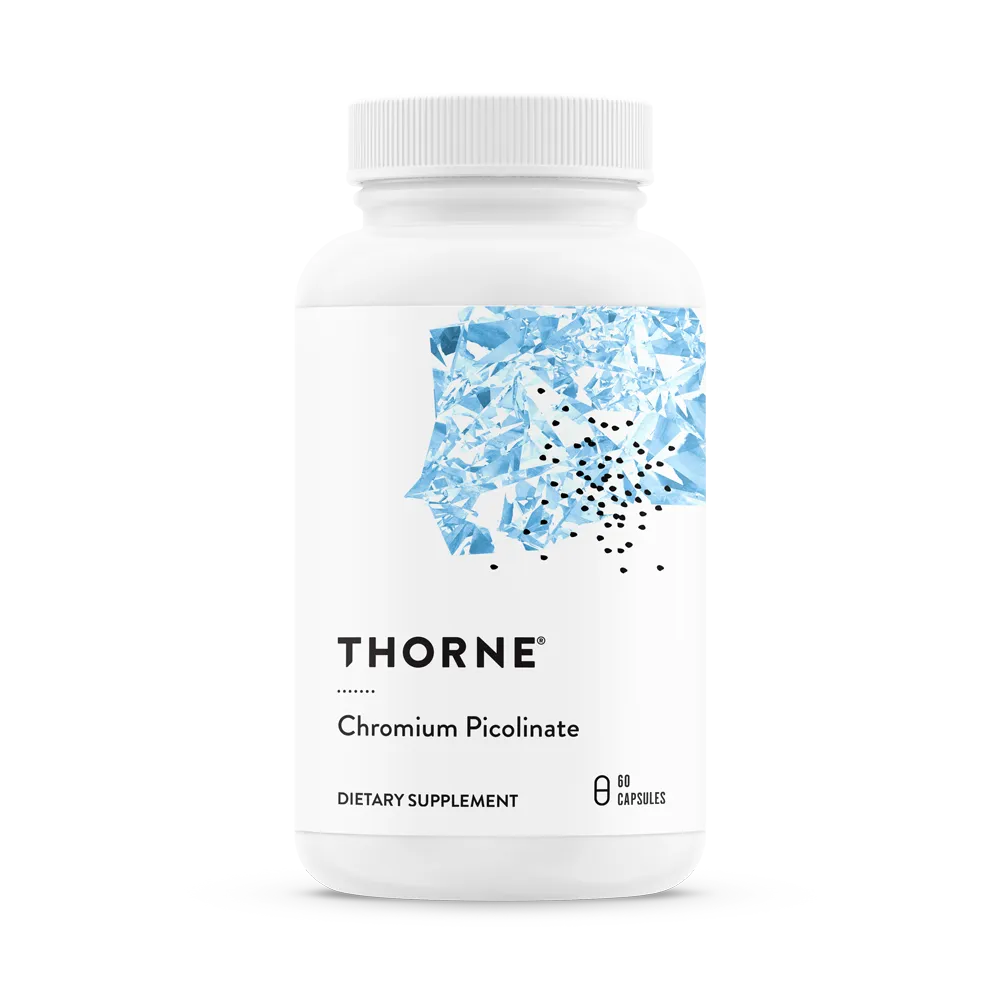
The product in this review — Thorne’s Chromium Picolinate — passes on the first three: it states 500 micrograms of chromium (as chromium picolinate) per capsule, a dose squarely inside the researched range, and it carries NSF Certified for Sport status, meaning an independent lab has verified both label accuracy and the absence of banned substances. Its marketing language is also notably restrained, describing support for “healthy metabolism of carbohydrates and fats” rather than promising weight loss or diabetes control outright.
Honest labeling and genuine third-party testing from a trusted manufacturer — but the category’s efficacy evidence is thin for most people, and the picolinate form carries an unresolved laboratory safety question worth knowing before long-term use.
FAQs
Does chromium picolinate actually help with weight loss or blood sugar control?
The honest answer depends on who’s taking it. In people with poorly controlled type 2 diabetes or chromium insufficiency, controlled trials have found measurable improvements in glucose and insulin markers. In healthy people without a diagnosed issue, meta-analyses on weight loss and body composition have found effects too small and inconsistent to reliably separate from placebo — a notably different picture than typical marketing suggests.
Is the DNA-damage research on chromium picolinate something I should be worried about?
It’s a real, published finding worth knowing about, not an established human health risk. Laboratory studies on cultured cells, and a 2008 government toxicology study in rodents at very high chronic doses, found concerning but ambiguous signals. No confirmed case of this translating into harm in humans at typical supplemental doses has been established, but it’s reasonable to avoid casually mega-dosing picolinate for extended periods without a specific reason to.
How is chromium polynicotinate different — is it the safer choice?
It’s bound to niacin rather than picolinic acid, and it hasn’t drawn the same specific laboratory flag as picolinate. But it’s also been studied far less overall, and the human absorption research that does exist generally shows it’s taken up less efficiently than picolinate at an equal dose. “Hasn’t been flagged” and “proven safer” aren’t the same claim, so treat this as an open question rather than a settled one.
Can I just get enough chromium from food instead of supplementing?
For most healthy people, yes. Whole grains, broccoli, green beans, grape juice, and meats provide chromium, and true deficiency is rare outside specific medical situations like long-term IV feeding without mineral supplementation. Supplementation makes the most sense as a targeted, physician-directed step for a diagnosed issue, not a routine addition to an already varied diet.
Chromium supplementation makes the most sense for someone with a physician-confirmed glucose-control issue, working under medical supervision — particularly if you’re also taking diabetes medication, since chromium’s effect on insulin sensitivity can compound a blood-sugar-lowering drug’s effect. If you’re healthy, eating a reasonably varied diet, and chasing chromium as a general metabolism or weight-loss booster, the trial evidence doesn’t really support that use, and whole foods like whole grains, broccoli, and lean meats will get you to adequate intake without the open safety question.
As an Amazon Associate, The Health Verdict earns from qualifying purchases. This article is educational and is not medical advice — talk to your doctor before starting any new supplement, especially if you take insulin, sulfonylureas, or another blood-sugar-lowering medication.