Berberine vs. Dihydroberberine: Why Most of What You Swallow Never Reaches Your Blood
Berberine has more published clinical research behind it than almost any other blood-sugar supplement on the market — and one of the strangest pharmacology problems too: by some estimates, less than 5 percent of an oral dose ever reaches your bloodstream. A newer, more absorbable form claims to fix that, but its own evidence base is still a fraction of berberine’s.
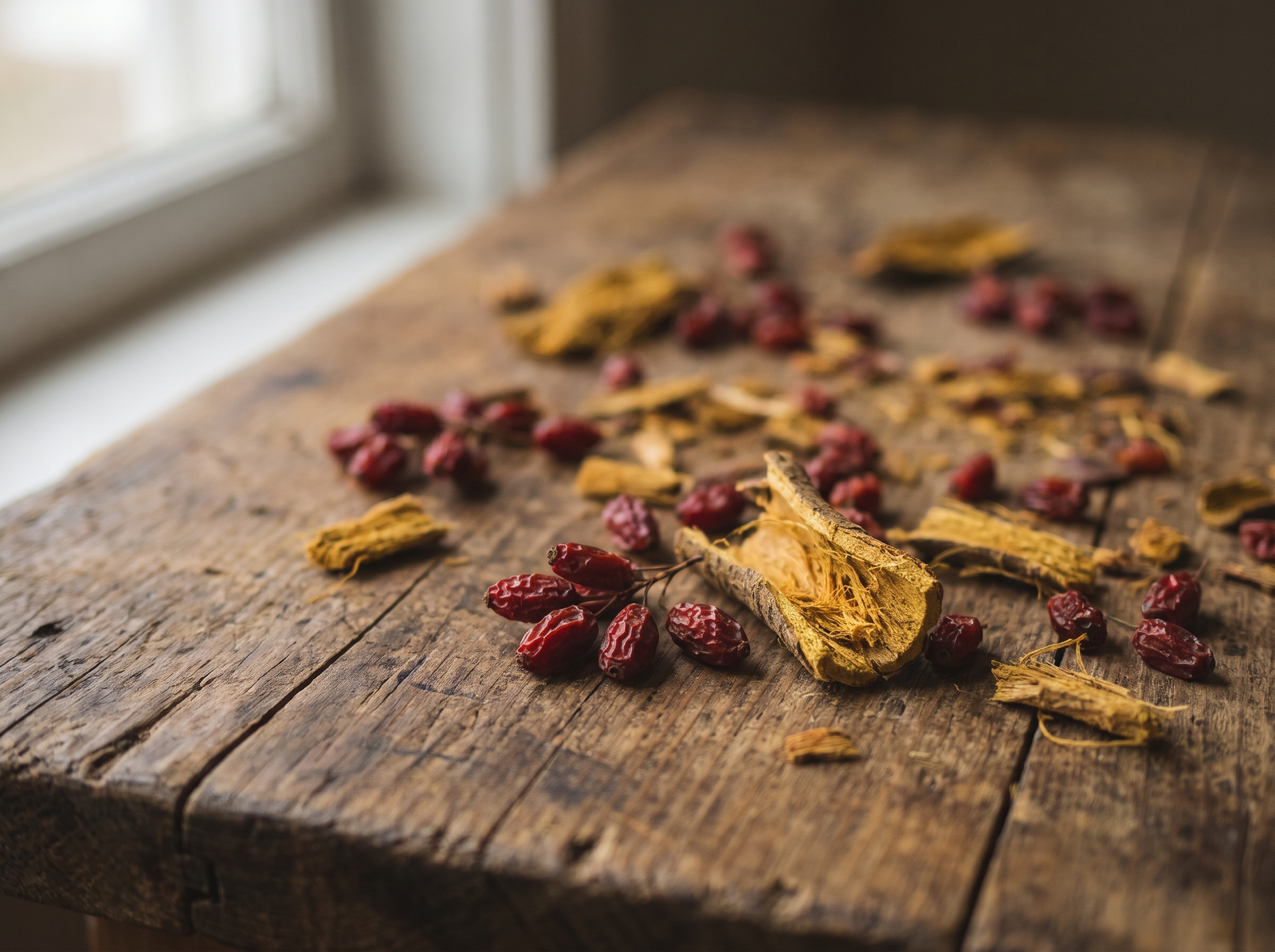
Berberine is a yellow alkaloid found in the roots, stems, and bark of several unrelated plants — barberry, goldenseal, Oregon grape, and tree turmeric (Berberis aristata) among them — used across Chinese and Ayurvedic medicine for centuries, mostly for digestive and intestinal complaints. Its modern reputation rests on something more specific: berberine activates AMP-activated protein kinase, or AMPK, the same cellular energy-sensing pathway targeted by the diabetes drug metformin. That single mechanism cascades into effects on glucose uptake, fat storage, and cholesterol production, which is why berberine gets nicknamed “nature’s metformin” in corners of the wellness internet — a comparison that overstates the evidence but isn’t pulled from nowhere. A meta-analysis pooling 37 trials found berberine lowered fasting plasma glucose by roughly 0.82 mmol/L and HbA1c by about 0.63 percentage points versus placebo or standard care, numbers in the range of some oral diabetes medications.
The problem is getting it into your system at all. Human pharmacokinetic studies put berberine’s systemic absorption at roughly 5 percent or less of what you swallow, and some pharmacology reviews cite absolute oral bioavailability below 1 percent in animal models. The compound gets pumped back into the gut by P-glycoprotein transporters, clumps together in solution instead of dissolving cleanly, and whatever survives that gets heavily metabolized by the liver before much of it reaches circulation. That’s the real reason behind berberine’s notoriously demanding dosing schedule — 500 mg two or three times a day, timed around meals — in nearly every clinical trial that’s shown a benefit. You’re not taking that much because more is better in some abstract sense; you’re taking that much because so little of each dose actually gets through.
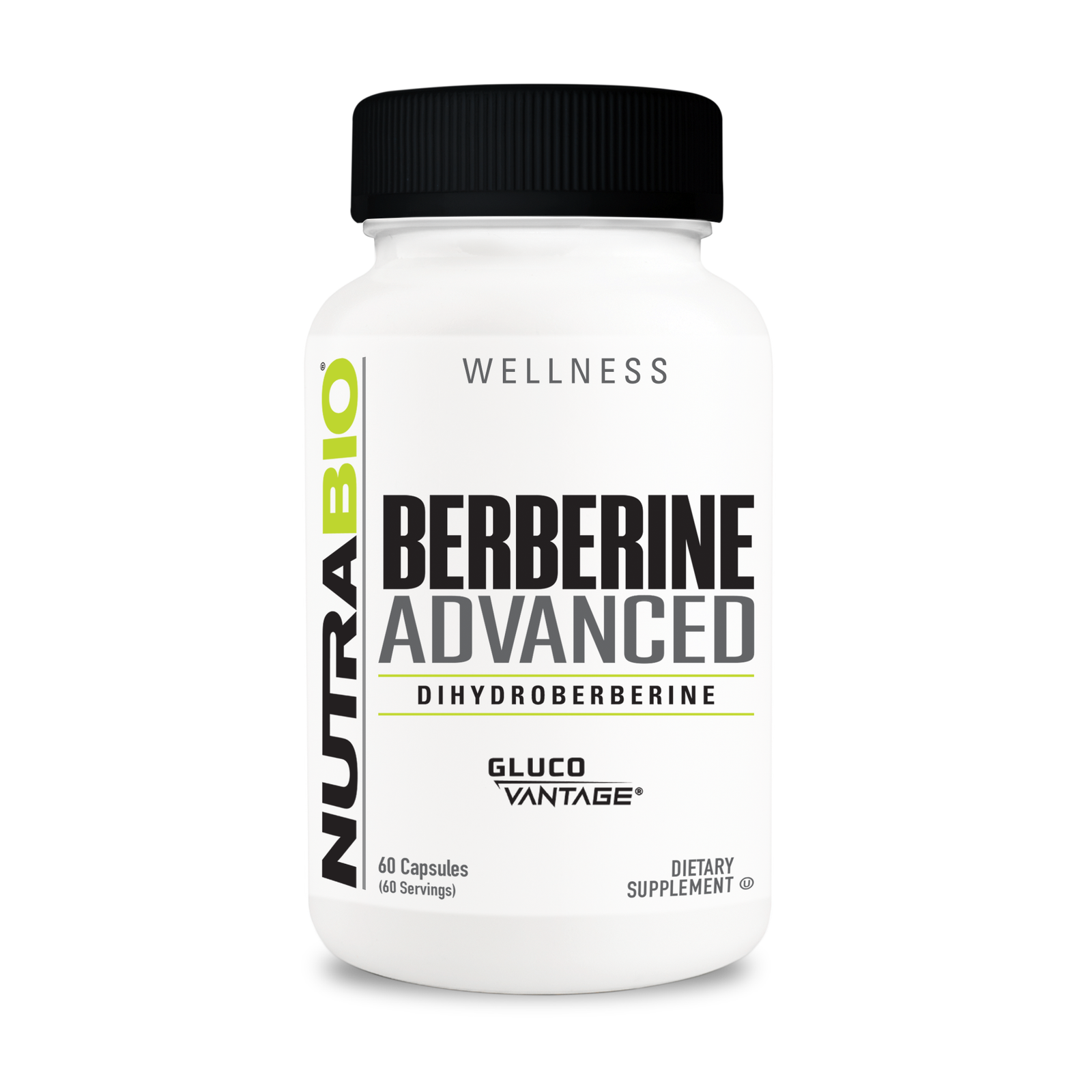
Dihydroberberine isn’t a synthetic workaround. It’s the form your own gut bacteria already convert berberine into partway through digestion, before it gets reoxidized back into berberine once absorbed — an intermediate step the body performs on its own. Supplementing with dihydroberberine directly, patented and sold under the ingredient name GlucoVantage by NNB Nutrition and sourced from Berberis aristata, is a bet that skipping straight to that intermediate improves how much actually gets absorbed. The one published head-to-head human trial, a small randomized crossover pilot in five healthy men (Moon et al., Nutrients, 2022), found that a 200 mg dose of dihydroberberine produced roughly 22 times the peak serum berberine concentration of a 500 mg berberine dose, while moving insulin- and glucose-related blood markers about as much as the much larger berberine dose did. That’s a striking result from a very small study — worth taking seriously, not yet worth treating as settled.
Who Actually Needs This
This is a supplement for people already paying attention to blood sugar and metabolic markers, not a general wellness add-on. That includes people with prediabetes or early type 2 diabetes working alongside a doctor, people managing PCOS-related insulin resistance, and people trying to nudge triglycerides or LDL cholesterol downward on top of diet and exercise changes already in place. Berberine shows up in enough trials for these specific markers that it’s a reasonable thing to discuss with a clinician — not a reasonable substitute for prescribed medication.
It’s not for everyone, and the exclusions matter more than usual here. Berberine inhibits CYP3A4 and CYP2D6, two liver enzymes that metabolize a long list of common drugs, and it interacts meaningfully with P-glycoprotein transporters — documented interactions include a roughly 30 percent increase in cyclosporine blood levels in transplant patients taking berberine. Anyone on statins, immunosuppressants, blood thinners, or any glucose-lowering medication should talk to a pharmacist or prescriber before adding it, and it’s not recommended during pregnancy or breastfeeding. Someone with normal, well-controlled blood sugar who just likes the idea of it is better served saving the money.
How Much You Actually Need
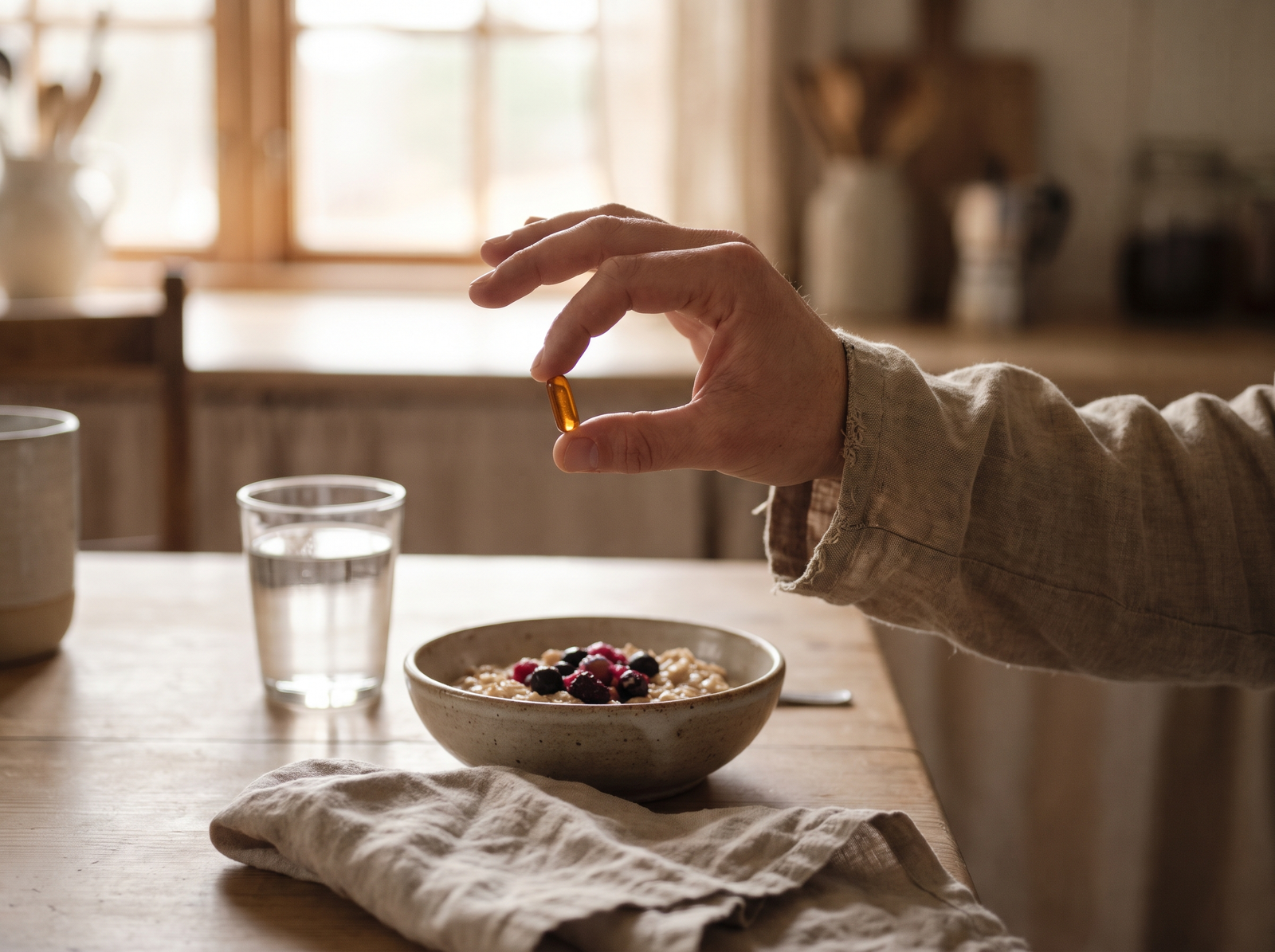
Standard berberine protocols in clinical trials are remarkably consistent: 500 mg taken two to three times a day with meals, for a daily total of 1,000 to 1,500 mg. The split dosing isn’t arbitrary — berberine has a short half-life and needs repeated exposure to the gut’s transport mechanisms to get any meaningful amount absorbed, so one large morning dose doesn’t substitute for smaller doses spread through the day. Gastrointestinal side effects — cramping, loose stools, mild nausea — are common at these doses and usually ease when taken with food rather than on an empty stomach.
Dihydroberberine’s dosing looks different because it’s working from a different absorption curve. The pilot trial used single doses of 100 and 200 mg; most retail dihydroberberine products land in the 100 to 400 mg per day range, typically split into one or two doses rather than three. Treat any stated equivalence to a specific berberine dose as a rough estimate rather than an exact figure — the 22-times-higher-serum-concentration finding comes from one small study, not the kind of large, repeated trial base berberine HCl itself has built up over two decades.
Berberine HCl vs. Dihydroberberine: What Actually Changes
Because dihydroberberine converts into berberine once it’s absorbed, the downstream biology is the same compound doing the same things — activating AMPK, shifting gut bacterial populations, nudging glucose and lipid metabolism. What changes is how much gets there and how often you have to take it. Berberine HCl has decades of larger trials behind it, costs less per milligram, and demands a three-times-daily schedule a lot of people simply don’t stick to. Dihydroberberine asks for fewer, smaller doses and has pharmacokinetic data suggesting it clears the absorption bottleneck that makes berberine so inconvenient — but it’s resting that convenience claim on a single small trial, and it typically costs more per milligram of active ingredient. Neither form has a meaningfully different side-effect or interaction profile, since both ultimately become the same molecule in your blood.
What to Look For in a Berberine Product
A few concrete checks, ordered by how often products in this category fail them:
- The label names the exact ingredient, not just “berberine complex.” Berberine HCl and dihydroberberine (as GlucoVantage, or any other specific sourced ingredient) have different dosing and evidence behind them — a vague proprietary blend tells you nothing you can act on.
- If it’s dihydroberberine, it names a sourced, branded ingredient like GlucoVantage. An unbranded “dihydroberberine” with no pharmacokinetic data behind it is borrowing the reputation of research done on a specific, patented ingredient — not on generic raw material from an unknown supplier.
- Independent testing on this specific product, not just a GMP claim. NOW Foods’ own lab testing found the majority of berberine supplements it purchased on Amazon failed potency testing, meaning the bottle didn’t contain the milligram amount on the label. A GMP certificate covers manufacturing process, not whether a specific batch actually contains what it claims.
- No unnecessary fillers padding out a single-ingredient capsule. Berberine and dihydroberberine are both simple, well-characterized compounds; a product built around one active ingredient has little reason to need a long “other ingredients” list beyond the capsule shell itself.
NutraBio’s Berberine Advanced is the rare product in this category that states its exact ingredient (GlucoVantage dihydroberberine, 200 mg per capsule), lists only the vegetable capsule shell as an other ingredient, and backs its third-party testing claim with batch results a buyer can actually look up — more transparency than most of the berberine bottles sitting next to it in the same search results.
A cleanly labeled, single-ingredient dihydroberberine supplement from a manufacturer that actually backs up its testing claims — the lighter dosing schedule is a real advantage, but it’s still resting on a much thinner evidence base than decades of plain berberine research.
FAQs
Is dihydroberberine just more expensive berberine?
Not exactly. Once absorbed, dihydroberberine converts into the same berberine molecule, so the downstream effects come from the same compound at work. What you’re paying for is a different absorption profile — pharmacokinetic data suggests you may need a smaller, less frequent dose to get a comparable amount into your bloodstream — backed so far by a single small human trial rather than the decades of research behind plain berberine HCl.
Can I take berberine alongside metformin or another diabetes medication?
Only with your prescriber’s input. A pooled analysis of multiple trials found no statistically significant increase in hypoglycemia risk when berberine was combined with other glucose-lowering treatments, but berberine and metformin can have additive blood-sugar-lowering effects, and there are pharmacokinetic interactions worth a doctor’s attention. This isn’t a supplement to self-combine with a prescribed medication without telling the person who prescribed it.
Does berberine interact with other medications?
Yes, and the list is longer than most supplements’. Berberine inhibits the liver enzymes CYP3A4 and CYP2D6, which metabolize a wide range of drugs, and it affects P-glycoprotein transporters; documented interactions include a meaningful increase in cyclosporine blood levels in transplant patients. If you take statins, blood thinners, immunosuppressants, or any prescription medication regularly, check with a pharmacist before adding berberine or dihydroberberine.
How long before I’d see any effect on blood sugar?
Most of the clinical trials showing measurable changes in fasting glucose or HbA1c ran 8 to 12 weeks of consistent daily use. This isn’t a supplement that produces a same-day or same-week effect you’d feel directly — its value shows up in lab numbers over a couple of months, which is also the timeframe worth tracking with your own bloodwork if you try it.
If you’re already tracking fasting glucose, HbA1c, or a lipid panel with a doctor and want an evidence-informed addition to diet and exercise changes already underway, either form of berberine has real trial data behind the core claim — dihydroberberine trades a thinner evidence base for a lighter daily dosing schedule. If you’re pregnant, breastfeeding, on an interacting medication without medical clearance, or simply chasing a trend with no specific metabolic goal in mind, this is one to skip.
As an Amazon Associate, The Health Verdict earns from qualifying purchases. This article is educational and is not medical advice — talk to your doctor before starting any new supplement, especially if you take diabetes medication, statins, blood thinners, or immunosuppressants, or are pregnant or breastfeeding.